


SQLPerformance 2.0: The Next Chapter
SQLPerformance is back. For years, it’s been a trusted home for deeply technical, real-world guidance for SQL Server professionals, and that mission matters more than ever in today’s more complex, fast-moving database environments.
If you’ve spent any time tuning SQL Server and Azure SQL, there’s a good chance SQLPerformance has crossed your path. For years, SQLPerformance has been a trusted source of practical performance guidance. You get deeply technical content from people who understand SQL Server under pressure and who know how to explain what to do next.
From the beginning, SQLPerformance tackled the issues DBAs face every day: slow queries, bottlenecks, waits, bad execution plans, blocking, storage constraints, and the constant challenge of finding whether the root cause lives in the application, infrastructure, or database layer. Backed by SentryOne and shaped by respected voices across the SQL Server community, it earned trust by staying grounded in operational reality.
Why SQL Performance Still Matters
It’s 2026, and the database landscape has changed. Through the acquisition of SentryOne, SolarWinds expanded its investment in the Microsoft data platform and brought SQL Sentry into a broader database portfolio. That broader SolarWinds database portfolio now includes:
It’s not just that environments are getting more complex. The way database teams work is changing too. AI, automation, and unified monitoring are starting to reshape how DBAs diagnose issues, manage routine work, and respond to incidents.
The 2025 State of Database Report points to a clear shift here. Teams working in more unified monitoring environments are seeing stronger returns from AI adoption, with 62% saying AI helped them diagnose performance issues faster and 60% reporting more reliable execution of routine tasks. The same report also shows that many DBAs are still stuck in reactive firefighting, spending an average of 27 hours per week on reactive work, which increases fatigue, burnout, and the risk of human error.
The Changing Face of Database Management
Modern database work no longer looks the way it did even a few years ago. The DBA role is broader, less siloed, and less purely reactive than it used to be. Today’s DBAs are expected to work across traditional relational database estates, cloud services, hybrid environments, observability workflows, and the wider system context around performance problems. The line between database, application, and infrastructure issues is less clear than it once was, which means DBAs require deeper visibility, better tooling, and a broader operational perspective than ever before.
For a deeper look at that shift, see some of our recent reports and whitepapers, such as the 2025 State of Database Report, Bridging the Observability Gap, and The Role of the DBA in AI.
In today’s database environments, practical and technically credible guidance matters more, not less. That’s the role SQL Performance was built to serve and will continue to serve moving forward.
If It Ain’t Broke, Don’t Fix It
For anyone concerned that we’re about to reinvent SQL Performance into something unrecognizable, we’re not. We love the look and feel. We love the content, and we want continuity. We’re proud of the existing archive and won’t be removing any content. It’s all here, warts and all.
We want SQL Performance to remain a valuable resource not only for practical guidance today, but also for anyone interested in the history and evolution of SQL Server.
New content will focus on how all SQL-using data platforms, not just Microsoft SQL Server, are used today, including:
- Performance tuning
- Troubleshooting and diagnostics
- Observability and monitoring
- Query behavior and execution plans
- Memory pressure and TempDB
- Architecture and operational trade-offs
- Alert quality and incident reduction
- Hybrid and modern infrastructure patterns
The goal is to stay practical and operationally grounded rather than theoretical or trend-driven.
Join the SQL Performance Community
SQL Performance doesn’t exist in isolation. We want it to connect more clearly to the wider SolarWinds database ecosystem, including the SolarWinds Blog, webcasts, product updates, and THWACK.
There’s also room for more strong technical voices. If you have a yen to write and deep database expertise with real operational experience, we’d like to hear from you.
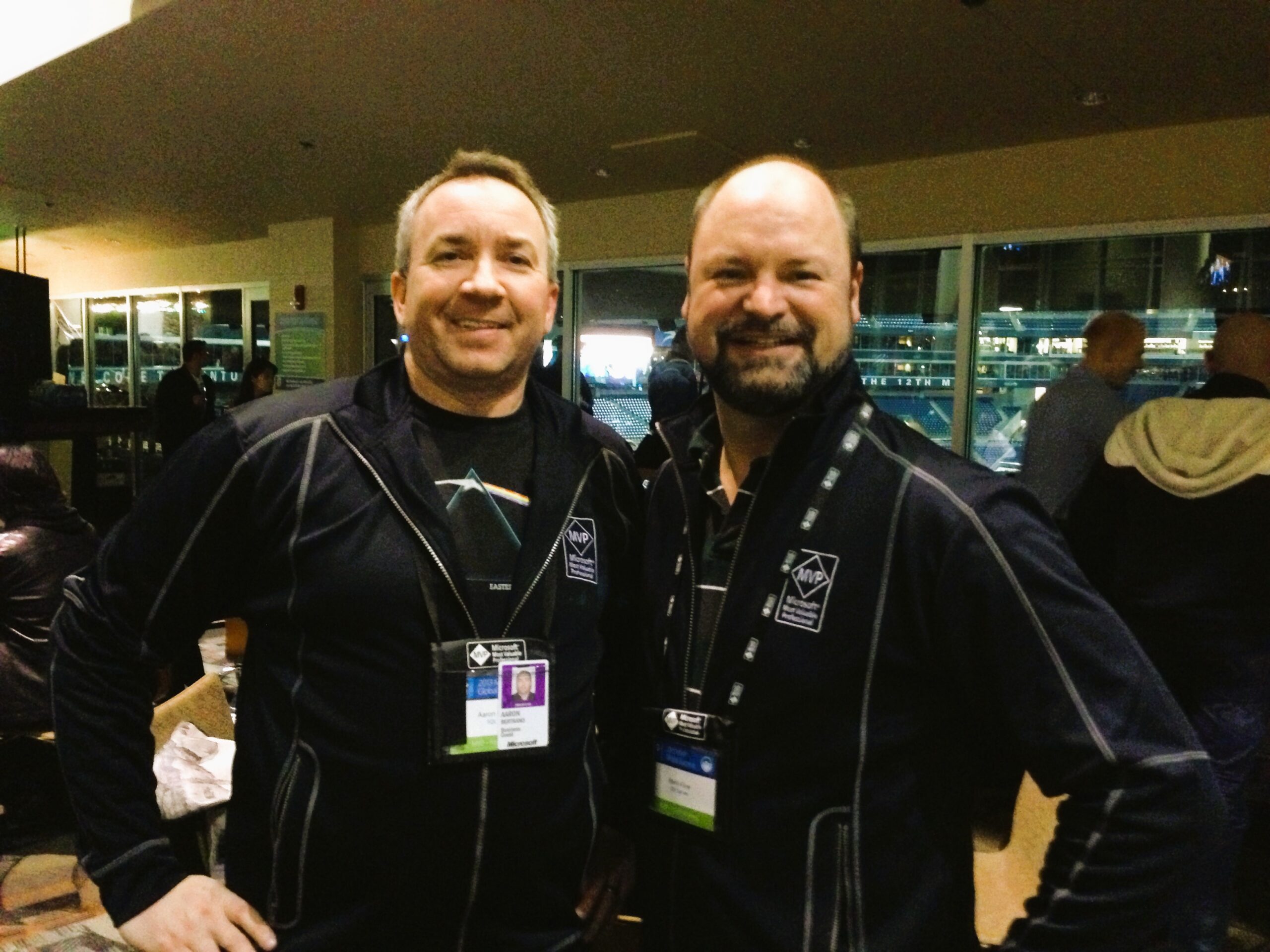
One aspect of the SQL Performance revival I’m most excited about is that Aaron Bertrand will be joining the team to serve as Editor of the site. If you don’t know Aaron and his work, you’re missing out. Aaron is one of the longest-serving Microsoft MVPs in the community, well known for his outstanding technical writing and excellent, content-packed presentations. Aaron is back on board as both a regular contributor and editor-in-chief. Aaron has long been one of the most respected voices associated with SQL Performance, and having him help shape what comes next is something I’m genuinely excited about. Welcome back, Aaron!
SQL Performance built its reputation on practical, experience-driven content from practitioners who deeply understand production systems. That standard remains. The goal isn’t volume. It’s usefulness: clearer diagnostics, better trade-off decisions, and guidance that helps teams solve real performance problems faster.
Kicking Things Off With the High-Performance DBA Series
To support this next phase, I’m adding some special content from the High-Performance DBA series. Be sure to register for our next session!
The High-Performance DBA video series and associated blog posts examine everything from reactive work, alert fatigue, incident management, storage and I/O challenges, memory behavior, and CPU optimization. They connect directly to the High-Performance DBA webcast series, so the insights remain useful long after the live sessions end. Good technical content shouldn’t be temporary. If it helps during a webcast, it still helps months later when someone is troubleshooting under pressure at 2 a.m.
In conclusion, I’m excited and honored to help breathe new life into one of the most beloved websites dedicated to all things SQL Server.
Best regards,
Kevin Kline

Great post Kevin Kline. Thanks! And welcome back Aaron Bertrand!
Wish you/us a lot of readers and participants. To me, this still matters, helps and evaluates. Hopefully, I am not the minority.